
The Foundation We’ve Laid
What We’ve Built So Far
The Well was filled from lived experience, community work, caregiving, motherhood, art, grief, repair, and the recognition that the people holding families and communities together need places where they can be held, too.
Before The Well became a public-facing community resource,
it had already become:
- a photography studio
- a creative space
- a gathering place
- a quiet room
- a vision
- a prayer
- a body of work
Today, The Well is taking shape as a rural community care initiative in Coos County, Oregon — supporting caregivers, educators, families, artists, practitioners, and community builders through creative healing, connection, resource navigation, wellness partnerships, mutual aid, and non-clinical support.
We are still growing, but the foundation has already been laid.
We have stewarded a physical sanctuary.
For three years, Heather Koell has personally carried the fiscally responsibility and care of the studio space, holding it through seasons of uncertainty because the vision mattered before there was funding attached to it.
We are building slowly because the work deserves to be built well.
The space has been tended, furnished, imagined, protected, and shaped slowly — not as a rental hall or generic studio, but as a sanctuary.
A place where beauty matters.
A place where people can exhale.
A place where art, care, and community can meet.
The Well’s physical space is one of its first and most important accomplishments.
Because for this work, the space is not separate from the service.
The space is part of the care.
We have clarified the purpose of The Well.
The Well has developed from an intuitive idea into a clear community care model.
The Well is:
- A sanctuary.
- A community care ecosystem.
- A creative healing space.
- A rural access point.
- A bridge between grassroots care and formal systems.
- A not-for-profit-in-purpose independent business and collective of artisans, practitioners, caregivers, educators, and community members.
The Well is not currently a 501(c)(3) nonprofit. It is also not profit-driven.
It is sustainability-driven.
That clarity matters. It allows The Well to move forward honestly with funders, partners, artists, practitioners, and community members while protecting the integrity of the work.
We have built a grant-ready community care framework.
The Well now has a clear funding strategy rooted in rural community need.
The Well serves as low-barrier rural community care infrastructure supporting caregivers, educators, families, and underserved community members through trauma-informed connection, creative healing, resource navigation, prevention, and wellness partnerships.
This framework aligns with local health priorities including adversity, trauma and toxic stress; prevention; housing and homelessness; food and nutrition; access and integration of services; and coordination, collaboration, and communication.
We have identified fundable program areas, including:
- Caregiver and educator circles.
- Art as Medicine workshops.
- Wellness residencies.
- Resource navigation.
- Village Tables.
- Mutual aid.
- Rural outreach.
- Access supports.
- Studio operating costs.
We have named the people The Well exists to serve.
The Well is for the ones carrying invisible weight:
- Caregivers who need rest.
- Educators who need restoration.
- Parents who need connection.
- Artists who know creativity can heal.
- Families trying to navigate systems.
- Community builders who keep showing up.
- Rural residents who need support close to home.
You do not have to be in crisis to deserve care.
This language has become a core part of The Well’s identity. It allows community members to recognize themselves in the work, while also helping funders understand who benefits and why it matters.
We have tested the model in community.
The Well’s early work has already moved beyond concept.
Through The Well at the Market, the model was tested as a low-barrier, trauma-informed, peer-led community care offering at the Wednesday farmers market in Coos Bay.
That pilot included:
- Free tea.
- A rest space.
- Peer connection.
- Child-friendly activities.
- Resource sharing.
- A soft landing place in a public community setting.
The pilot involved facilitation support from local practitioners, and connection with partners including Pathways to Positive Parenting and Coastal Relief Nurseries.
We have begun building an aligned care ecosystem.
The Well is not built on one person doing everything. It is being shaped as a collective of aligned artisans, practitioners, caregivers, educators, and community members.
Early stewardship conversations have helped clarify the relationship between:
The Well — the sanctuary, community container, non-clinical bridge support, and shared care ecosystem.
Practitioner Facilitation — Resident RN’s aligned clinical practices operating within the broader sanctuary ecosystem, with clear boundaries around scope, language, and professional identity.
This distinction protects the integrity of the work.
The Well can hold art, ritual, wellness, rest, education, resource navigation, and community care — while also being clear about what is clinical, what is non-clinical, and what requires licensed support.
We have aligned The Well with documented rural needs.
The Well’s work is not abstract.
It responds to real conditions in rural Coos County.
Local community partners identify needs around trauma, caregiver support, behavioral health access gaps, poverty, housing instability, food insecurity, social isolation, and gaps between formal systems and everyday life. The Well’s source-informed grant strategy directly connects the studio model to these documented needs, and it specifically recognizes caregiver respite and caregiver training as direct needs.
We are creating care because rural communities need more trusted, relational, accessible places where people can receive support before needs become crises.
Community Offerings & Early Pilots
The Well exists to support the people who hold families, classrooms, and communities together.
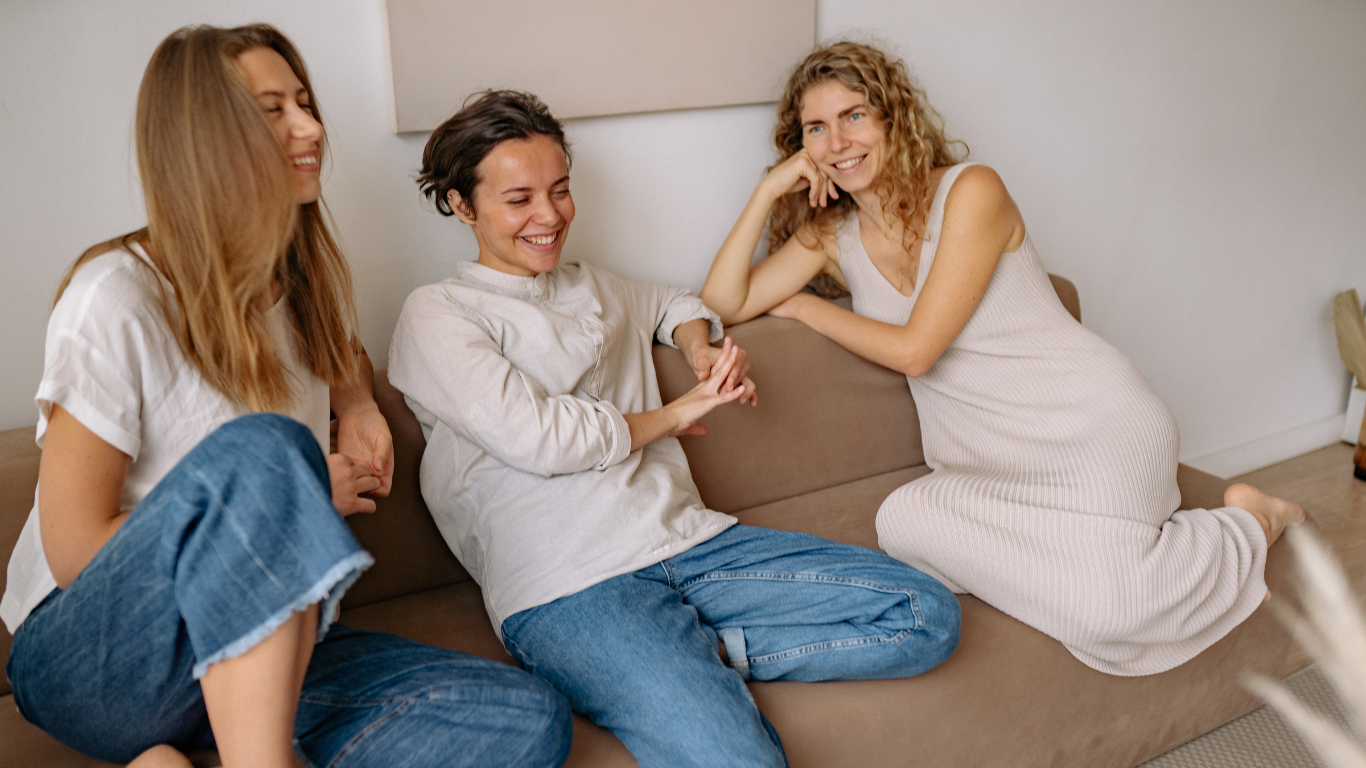
The Well at the Market
A low-barrier community care pop-up at the First Wednesday farmers market in Coos Bay, offering free tea, shaded rest space, child-friendly activities, resource sharing, and gentle peer support for caregivers and families with young children.

Sound Bowl + Tea Gathering
A two-hour restorative gathering held at The Well with sound bowls, tea, charcuterie, and facilitated reflection. This offering supported nervous system regulation, community connection, and embodied rest in a trauma-informed sanctuary setting.

Resource Sharing
& Warm Referrals
Through pop-ups and community conversations, The Well has shared local family resources and connected caregivers with trusted supports, including early childhood and parenting resources from aligned community partners.
Partner Resource Table
The Well has collaborated with community partners such as Pathways to Positive Parenting and Coastal Relief Nurseries to make family, parenting, and early childhood resources more accessible in informal, low-pressure community settings.

Child-Friendly Creative Activities
At community events, The Well has offered simple, welcoming activities for children so caregivers can experience a moment of rest, connection, and support while their children are safely engaged nearby.

Mutual Aid & Hospitality
The Well’s early offerings have included the simple but powerful elements of community care: tea, food, shade, supplies, welcome, listening, and the message that people deserve support before they fall apart.
Community Care Infrastructure
a rural community care ecosystem
